Six Graphic Novels to Read If You Think Comics Are for Kids
I’m glad I explored this world again!
Looking back at my reading list, I’ve noticed that my reading habits have shifted over the years. I used to only read fiction, then went through a self-help phase, moved on to biographies, and, more recently, I’ve been exploring the world of graphic novels.
Until not long ago, I honestly thought they were mostly for kids. The only ones I’d read were Tintin, Lucky Luke, and Sylvain et Sylvette.
Over the past few months, though, I’ve discovered graphic novels that have really stayed with me, books that don’t just tell stories but explore queerness, fluidity, resistance, and tenderness in ways few other mediums can. Here are six that I highly recommend, each one expanding what it means to live, love, and fight.
1. Dykes to Watch Out For by Alison Bechdel
Before there was Fun Home (which I highly recommend too), there was Mo, Lois, and the rest of the beloved cast of Bechdel’s long-running comic strip. Dykes to Watch Out For is part soap opera, part political commentary, and all heart. Reading it feels like being welcomed into a queer chosen family (messy, opinionated, ever-evolving). Through laughter and protest, breakups and bookstore shifts, Bechdel doesn’t just chronicle a community, she makes space for one on the page.
2. Impossible People by Julia Wertz
Wertz’s honesty about addiction, recovery, and the slow work of becoming yourself really struck a chord with me. She offers the gift of complexity, of being a “difficult” person, of healing imperfectly, and of finding joy and meaning outside what’s considered “normal.”
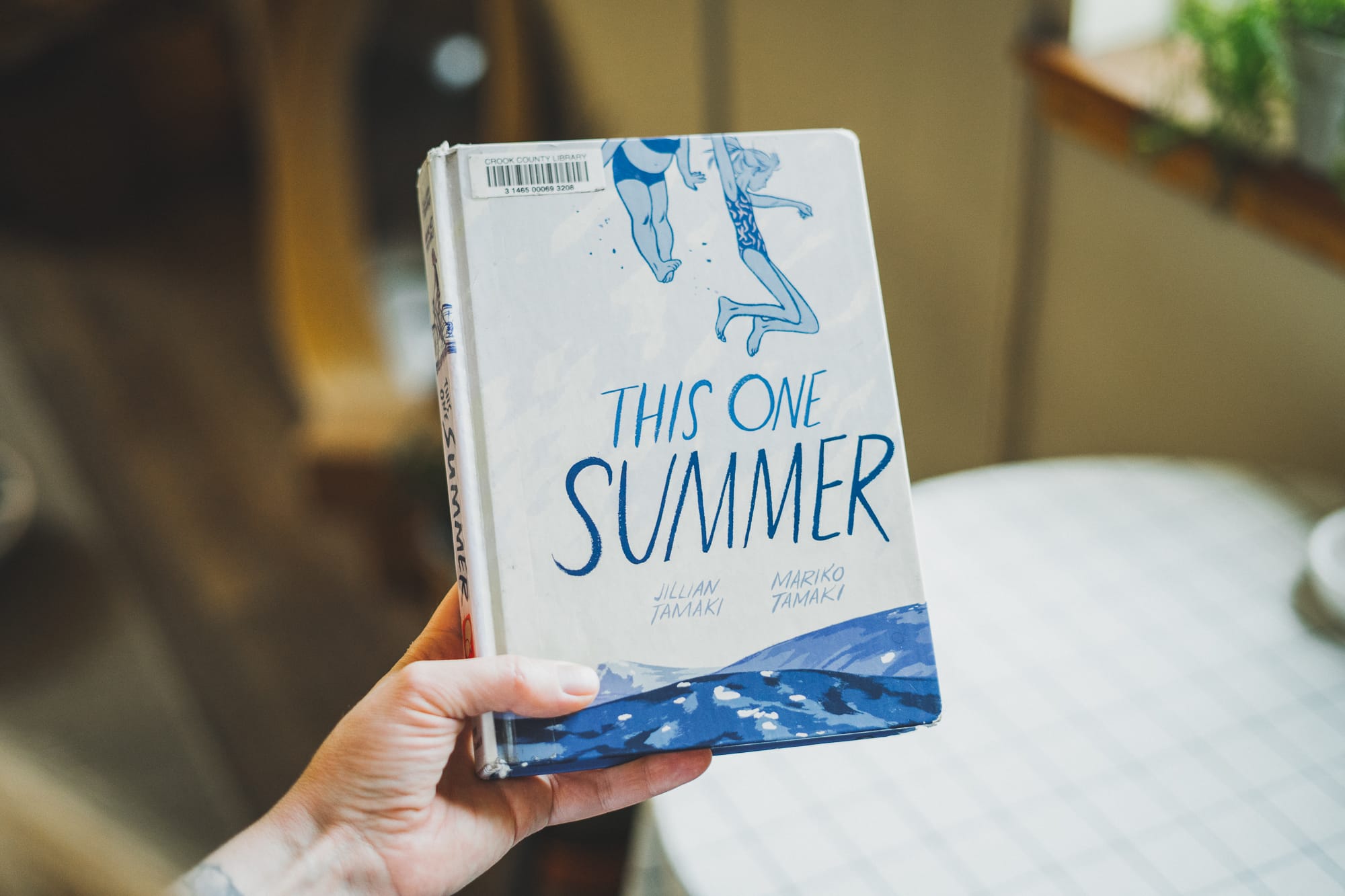
3. This One Summer by Mariko and Jillian Tamaki
This One Summer has a quiet, gentle tone, but its emotions run deep. It captures that in-between space of adolescence, when identity starts to shift in ways we don’t yet have language for. The drawings are beautiful and a little nostalgic, and the story leaves room for what’s unsaid, awkward, or still taking shape. It’s a quiet kind of activism, telling girls’ stories with nuance and care.
4. Guantánamo Voices, edited by Sarah Mirk
This powerful collection of oral histories turned into graphic reportage is a reminder that activism isn’t just protests and petitions, it’s also about bearing witness. The voices in this book (detainees, guards, lawyers, journalists) challenge the systems that silence and dehumanize. It’s a striking example of how graphic novels can amplify marginalized voices and spark political awareness.
5. Gender Queer by Maia Kobabe
Few books have captured the experience of navigating gender identity as beautifully as Gender Queer. Kobabe’s memoir is intimate, exploratory, and refreshingly honest. It speaks to the power of finding and questioning language. For anyone who’s ever felt othered or invisible, this book feels like both a balm and a lighthouse.
6. Americana by Luke Healy
With humor and a touch of existential reflection, Healy’s account of walking the Pacific Crest Trail is also a meditation on place, belonging, and self-understanding. As an Irish gay man navigating both literal and figurative terrain, Healy reminds us that identity is something we carry with us — and something that shifts with every step we take.
Are you a reader of graphic novels? Which titles would you recommend?


